SEARCH BLOG POSTS
What to Know About Active Recovery
If you work out regularly, you have probably heard that you need active recovery days. But what does that actually mean, and do you really need them? Does recovery mean doing nothing at all, or can you stay active while still allowing your body to rebuild?
Active recovery is a simple, effective way to support your body between training sessions. Instead of complete rest, it involves low-intensity movement that helps reduce soreness, improve circulation, and keep your body feeling good.
If you are dealing with sore muscles, low energy, or struggling to stay consistent, adding active recovery can help you bounce back faster and perform better over time.
Understanding when and how to use active recovery can be the difference between feeling constantly run down and actually making progress. Recovery is not just about taking time off. It is about giving your body what it needs to train well, stay healthy, and keep moving forward long term.
What Is Active Recovery?
Active recovery is low-intensity movement performed after hard training sessions to support your body’s natural recovery process. Instead of complete rest, you keep your body moving just enough to promote circulation without adding additional stress.
This is essential because every time you train, especially during strength training or high-intensity workouts, you create small amounts of stress in the body. Muscle fibers experience tiny micro-tears, your nervous system is stimulated, and energy stores are depleted. This is a normal and necessary part of gaining muscle and getting stronger.
When it comes to training, stress is not the problem on the body; the problem is when your body does not fully recover from it. Your body relies heavily on circulation to repair and rebuild. Blood flow delivers oxygen, amino acids, minerals, and other nutrients to damaged tissue. It also helps remove metabolic byproducts that contribute to soreness and fatigue.
When you remain completely sedentary after a hard workout, this process slows down. Blood flow decreases, muscles stiffen, and waste products can linger longer than they should. This is often why you feel tight, sluggish, and sore the next day. This is where active recovery comes into play.
Light movement increases circulation without adding more stress to the body. It keeps nutrients moving into your muscles while helping your body clear out what it no longer needs. This can lead to reduced soreness, improved mobility, and better overall recovery between sessions.
Active recovery can vary depending on your fitness level and goals, but it should always be done at a pace that feels easy and restorative to you.
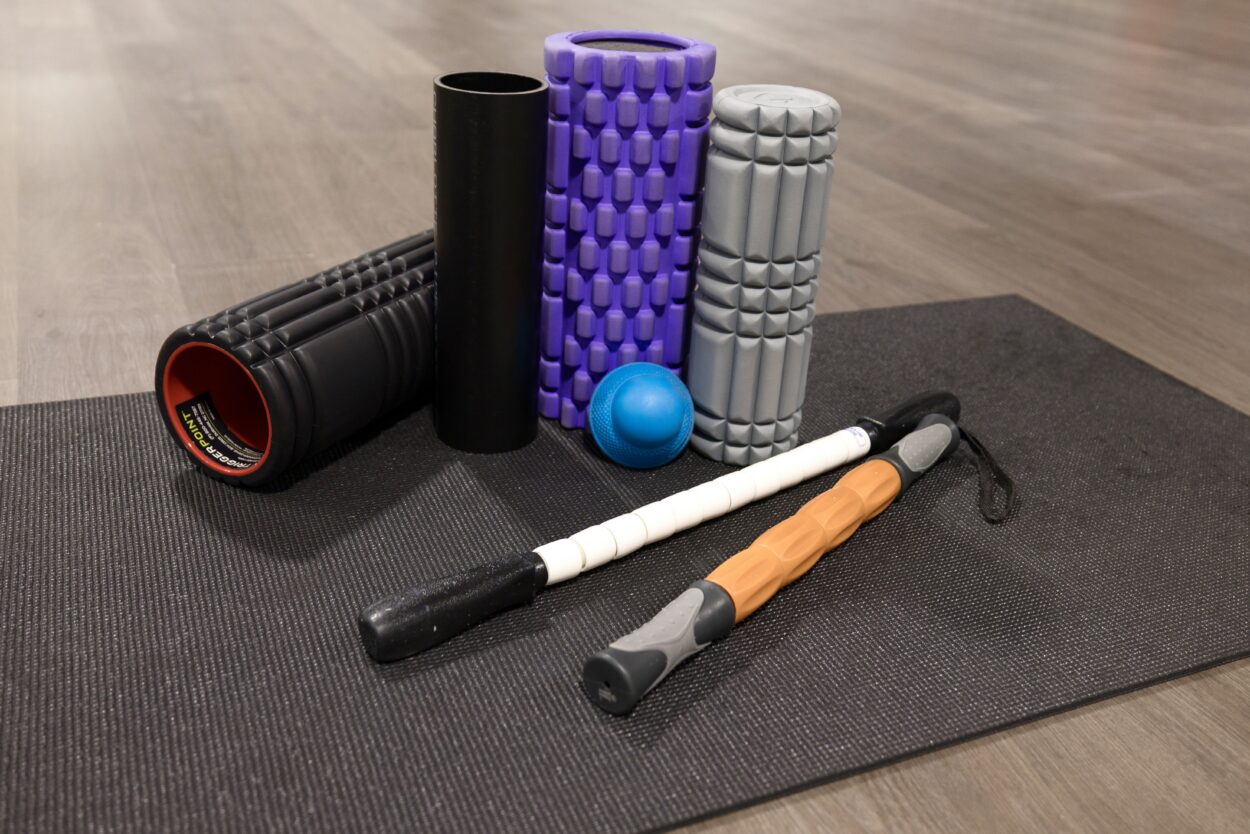
Foam rolling and recovery tools help reduce muscle soreness and support active recovery between workouts.
Active Recovery vs Rest Days
How you recover is just as important as how much you train, and understanding the difference between rest days and active recovery days is essential if you want to keep progressing.
A full rest day, known as passive recovery, means stepping away from structured movement entirely. This is important when your body feels overwhelmed, extremely fatigued, or is recovering from illness or injury. Full rest allows your muscles and nervous system to reset more completely.
Active recovery, on the other hand, keeps you moving at a very low intensity. Instead of stopping completely, you are helping your body recover through controlled movement.
A simple way to think about it is this:
- Rest days are for when your body feels total exhaustion, high risk of injury, after epak training, or just burnout.
- Active recovery is for when your muscles feel tight or sore, light mobility needs, post-workout aid, or for your mental health.
Both are necessary and learning when to fully rest versus stay lightly active helps you avoid overtraining while maintaining consistency.
Types of Active Recovery
Active recovery does not need to be complicated or time-consuming. The goal is simply to move your body in a way that promotes circulation, reduces stiffness, and helps you feel better without adding more fatigue. Choosing the right type of movement can make a big difference in how quickly you recover and how you perform in your next workout.
These types of movements are often referred to as recovery exercises, since they help your body recover without adding additional stress:
- Walking is one of the simplest and most effective options. A 20 to 30 minute walk at an easy pace helps improve blood flow, reduce soreness, and loosen up your body without adding extra stress.
- Cycling, especially on a stationary bike with low resistance, allows you to keep your legs moving, promote circulation, and reduce stiffness without overloading your joints.
- Mobility is highly valuable for recovery. Moving your joints through a full range of motion helps reduce tightness and restore how your body is meant to move. This can include exercises like hip openers, thoracic spine rotations, deep squat holds, or controlled lunges. Focus on slow, controlled movement rather than forcing a stretch.
- Yoga and Pilates are great options when you need both physical and mental recovery. They combine gentle movement with breathing and control, helping reduce stress while improving flexibility and body awareness.
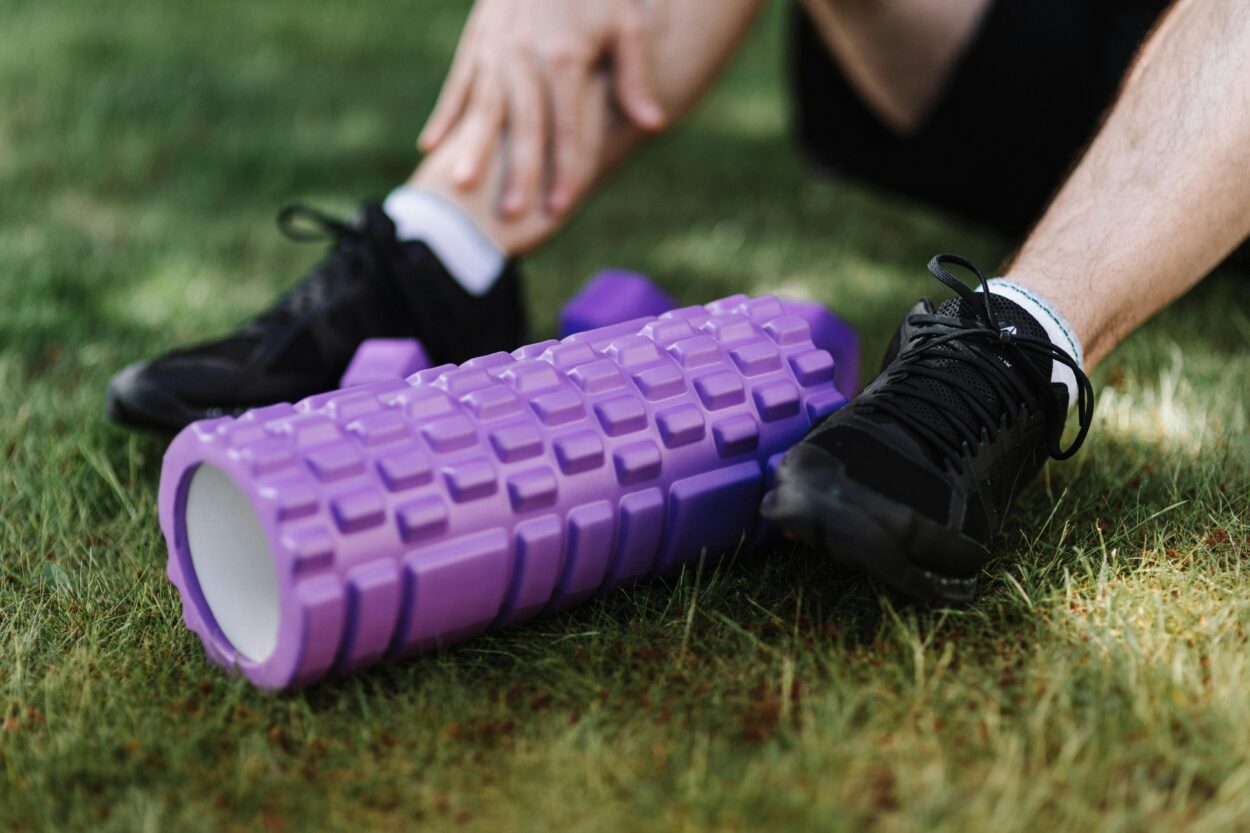
- Foam rolling can help release tension and support circulation. Spending one to two minutes on major muscle groups is especially helpful for areas that feel tight after training.
- Power Plate training, which we use at Functional Idaho, uses whole-body vibration to enhance circulation, support lymphatic drainage, and reduce muscle soreness. It can be a useful addition to a structured recovery routine.
- Light recreational movement, such as swimming, easy hiking, or casual games, can also support recovery.
Intensity matters most when it comes to active recovery. If it starts to feel like an intense workout or leaves you fatigued, it is no longer serving its purpose. The next step is knowing how to approach an active recovery day so it actually supports your progress.
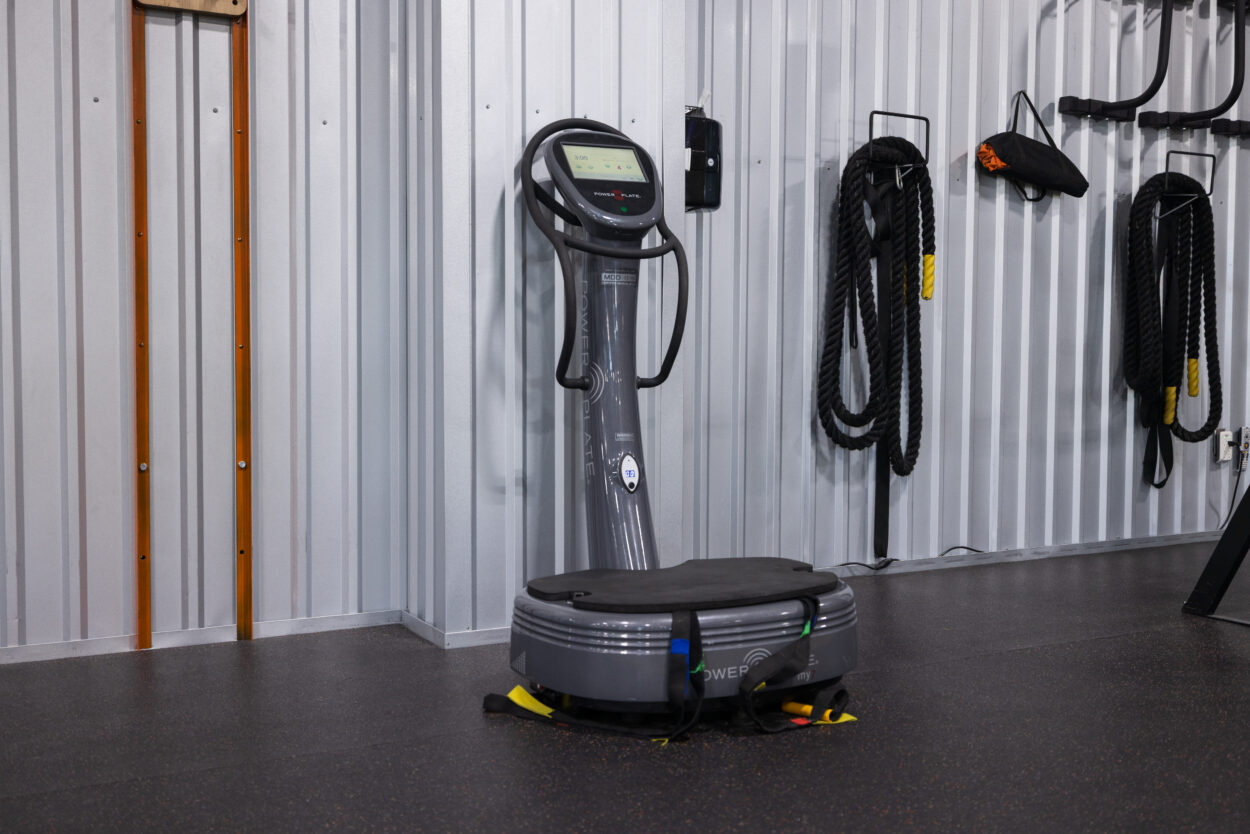
Power Plate training helps improve circulation, reduce soreness, and support active recovery between workouts.
How to Approach an Active Recovery Day
Active recovery does not always have to be structured, but it should still be done with intention, ideally by having dedicated days set aside for it. Having a simple framework can also help if you are not sure where to start.
For most people, 1-2 active recovery days per week is a good baseline. The exact number depends on your training volume, intensity, stress levels, and how well you are recovering overall. These days are especially helpful after hard workouts, between strength sessions, or during weeks when your body feels more fatigued.
A simple approach could include 20 minutes of easy walking or cycling, followed by 20 to 30 minutes of mobility work focused on tight areas, and 10 to 20 minutes of light stretching or foam rolling.
If you want something quick and practical, a 20-30 minute session might look like this:
- 10-15 minutes easy walking or cycling
(nose breathing and casual pace) - Mobility Circuit (2-3 rounds):
- Hip CARs: 6 reps per side
- Thoracic wall windmills: 6 reps per side
- Lateral band walks: 10-15 steps each direction
- Cat-cow: 8 controlled reps
- Bird dogs: 8 reps per side
- Foam Rolling: Spend 60-90 seconds per muscle group (quads, glutes, upper back). When you find a tender spot, pause and hold pressure until the discomfort begins to decrease, then continue slowly. Watch our foam rolling rolling video HERE.
Everything should feel easy and controlled. Move with intention, not speed. If your heart rate starts to climb or you feel fatigued, slow it down.
You do not need a long or complicated session, but you should set aside dedicated time to focus on recovery.
On a scale of 1 to 10, your intensity should stay around a 3 or 4. You should be able to breathe through your nose, hold a conversation, and feel in control of your body without strain or fatigue.
Recovery also depends on what you do outside of movement. Staying hydrated, eating enough protein to support muscle repair, and getting quality carbohydrates for energy all play a role.
Sleep is also crucial, since that is when your body does most of its rebuilding. During sleep, your body repairs muscle tissue, restores energy, and regulates your nervous system. If your sleep is poor or inconsistent, recovery slows down no matter how well you train or how much mobility work you do. Even an extra hour of quality sleep can make a noticeable difference in how your body feels and performs.
The goal is to support your body, not drain it. If you are sore but still able to move well, active recovery can help. If you feel completely run down or mentally exhausted, a full rest day (passive recovery) may be the better choice. You should finish your session feeling better than when you started.
Train Intentionally at Functional Idaho
At Functional Idaho Strength and Mobility for Longevity, we believe that real progress comes from training with purpose. That means not only working hard, but also recovering effectively.
We guide you through structured training, recovery strategies, mobility work, and lifestyle habits that support long-term performance. Our goal is to help you build strength, improve movement, and feel your best physically, mentally, and spiritually. If you are ready to stop guessing and start achieving real results, explore our coaching and training services.
Come experience what personalized health and fitness looks like. Claim your FREE tour and consultation today.
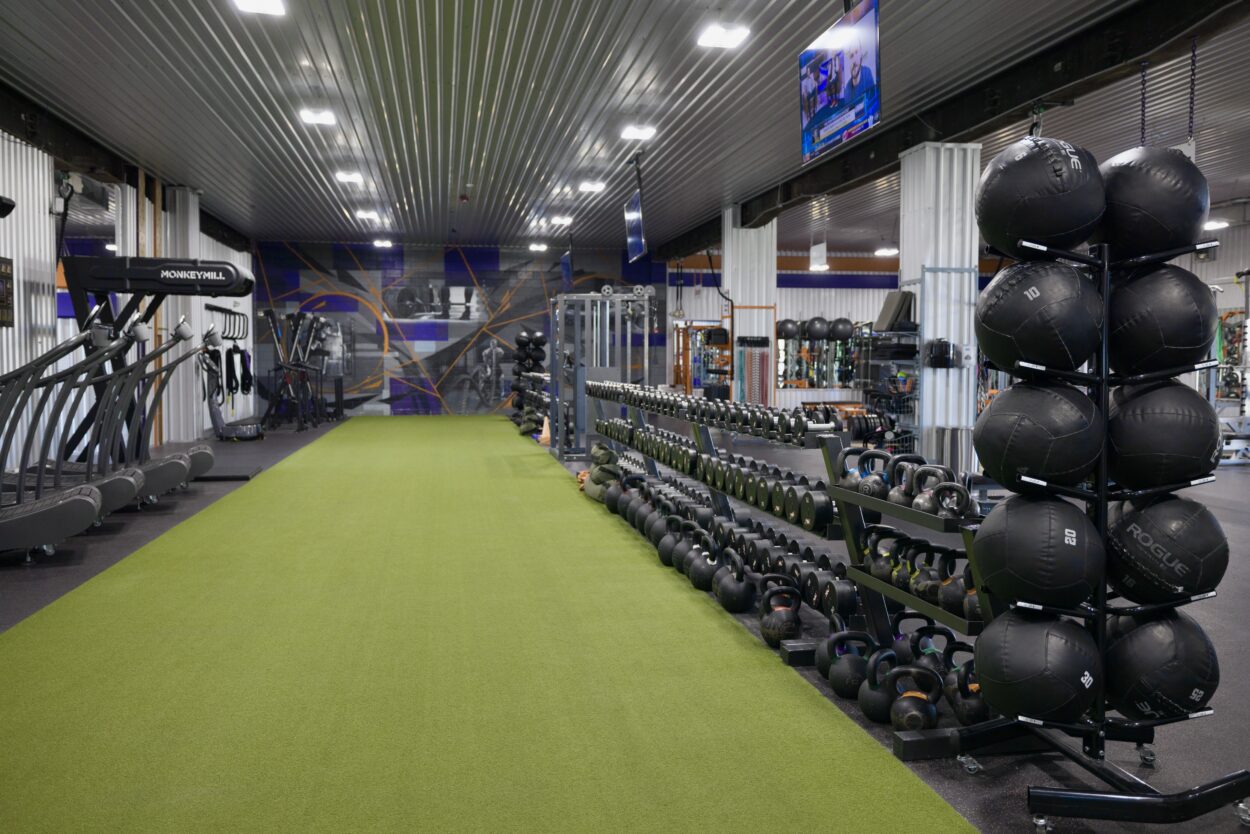
Open gym space with turf and equipment for movement, mobility work, and recovery exercises.
Sources
- https://pmc.ncbi.nlm.nih.gov/articles/PMC10914654/
- https://pubmed.ncbi.nlm.nih.gov/29742750/
- https://pmc.ncbi.nlm.nih.gov/articles/PMC11057610/
- https://pmc.ncbi.nlm.nih.gov/articles/PMC6445608/
- https://pmc.ncbi.nlm.nih.gov/articles/PMC4127040/
- https://pmc.ncbi.nlm.nih.gov/articles/PMC4299735/
- https://pmc.ncbi.nlm.nih.gov/articles/PMC11195859/
- https://pmc.ncbi.nlm.nih.gov/articles/PMC5932411/
- https://pmc.ncbi.nlm.nih.gov/articles/PMC9902068/
- https://pmc.ncbi.nlm.nih.gov/articles/PMC7909540/
- https://acsm.org/recovery-active-older-adults/
- https://www.nature.com/articles/s41598-021-98736-9
- https://pubmed.ncbi.nlm.nih.gov/28673415/
- https://pubmed.ncbi.nlm.nih.gov/18202569/