
SEARCH BLOG POSTS
Does Lifting Weights Stunt My Child’s Growth?
Picture your 10-year-old comes home fired up, asking if he can join a strength training class with his older teammates. Your first instinct is worry. You have probably heard somewhere that lifting weights stunts a child’s growth, and the last thing you want is to do something that gets in the way of his development.
That fear is understandable. It has been passed around locker rooms, parent Facebook groups, and pediatrician waiting rooms for decades, but the science does not back it up. When done properly and with the right supervision, resistance training is one of the best things a young athlete can do for their body. Let’s break it down.
The Origin of the “Stunted Growth” Myth
This concern did not come out of nowhere. It traces back to early research from the mid-20th century that observed young laborers and athletes whose growth appeared to be affected by heavy physical work. The problem is that those observations were tied to overuse, malnutrition, and poor conditions, not structured strength training.
From there, the idea took on a life of its own. Cultural narratives around protecting children, combined with a general lack of understanding about how growth plates work, kept the myth going. Parents worried and coaches repeated it. Before you know it, it became one of those things everyone seemed to know but nobody had actually read the research on.
The research now exists, and it tells a very different story.
Is Strength Training Safe for Kids? What the Research Says
According to the American Academy of Pediatrics and the National Strength and Conditioning Association, supervised resistance training does not stunt a child’s growth.
Growth plates, also called epiphyseal plates, are areas of developing cartilage near the ends of long bones in children and teenagers. They are where new bone tissue is produced, and they close once a child reaches physical maturity. The concern has always been that damage to these plates could interfere with bone growth.
Growth plate damage is caused by acute injuries like falls, collisions, and accidents, not by age-appropriate resistance training performed with proper form. There is no credible evidence that supervised strength training compresses, damages, or closes growth plates prematurely.
And mechanical load from resistance training actually stimulates bone remodeling. When children lift weights correctly, their bones respond by getting denser and stronger. What puts growth plates at risk is exactly what good coaching prevents, which is poor form, loads that are too heavy, and training without adult supervision.
Benefits of Strength Training for Kids and Teens
Once you let go of the myth and fear determining then outcome, there is a long list of real benefits on the other side.
- Stronger bones: Resistance training increases bone density during the years when the skeleton is still developing. Building that foundation early reduces the risk of fractures and sets kids up for better bone health as adults.
- Fewer sports injuries: Kids who strength train develop stronger muscles, tendons, and connective tissue around their joints. That structural support means they are less likely to get hurt on the field, the court, or the ice. For parents of young athletes, this alone is worth paying attention to.
- Better posture and body awareness: Most kids today spend hours hunched over screens. Strength training teaches them how to hold their spine, brace their core, and move with intention, and that carries over into everything else they do.
- Improved mental health and confidence: Something shifts when a child does something hard and realizes they can handle it. Strength training provides that experience in a controlled, measurable way. Kids who train regularly tend to carry that sense of capability into school, relationships, and sports.
- Healthier body composition and cardiovascular health: Resistance training improves how the body processes energy, supports cardiovascular function, and contributes to a healthier overall body composition over time.
- A foundation for lifelong fitness habits: Kids who learn to enjoy movement early are far more likely to stay active as adults. When fitness becomes something they associate with feeling good and being capable, rather than something they dread, that changes everything about their long-term health.
- Better sleep: Kids who train regularly tend to fall asleep faster and sleep more soundly. Physical exertion during the day helps regulate the body’s natural rhythms, and better sleep supports recovery, focus, and mood the next day.
- Stronger coordination and motor skills: Strength training requires kids to control their body through specific movement patterns. That practice sharpens balance, reaction time, and overall coordination, which carries over directly into whatever sport or activity they are pursuing.
- A healthier relationship with their body: Kids who train tend to develop a more practical understanding of what their body can do rather than how it looks. That shift, from appearance to capability, supports a healthier long-term relationship with food and exercise.
None of these benefits require a child to become a competitive lifter or chase a personal record. They show up from consistent, age-appropriate training in a setting where a kid feels safe and supported. That is the real value here. It is not about building little bodybuilders. It is about giving kids tools they will carry with them long after they outgrow the program.
What to Look for in a Youth Strength Training Program
There is a big difference between a teenager loading up a barbell in an unsupervised garage and a child working through a structured program led by a certified coach.
Unsupervised lifting without instruction is where problems happen. Kids who do not yet know how to brace their core, control their descent, or stop when something does not feel right are the ones at risk of injury. That is not a problem with strength training itself. It is a problem with the absence of guidance.
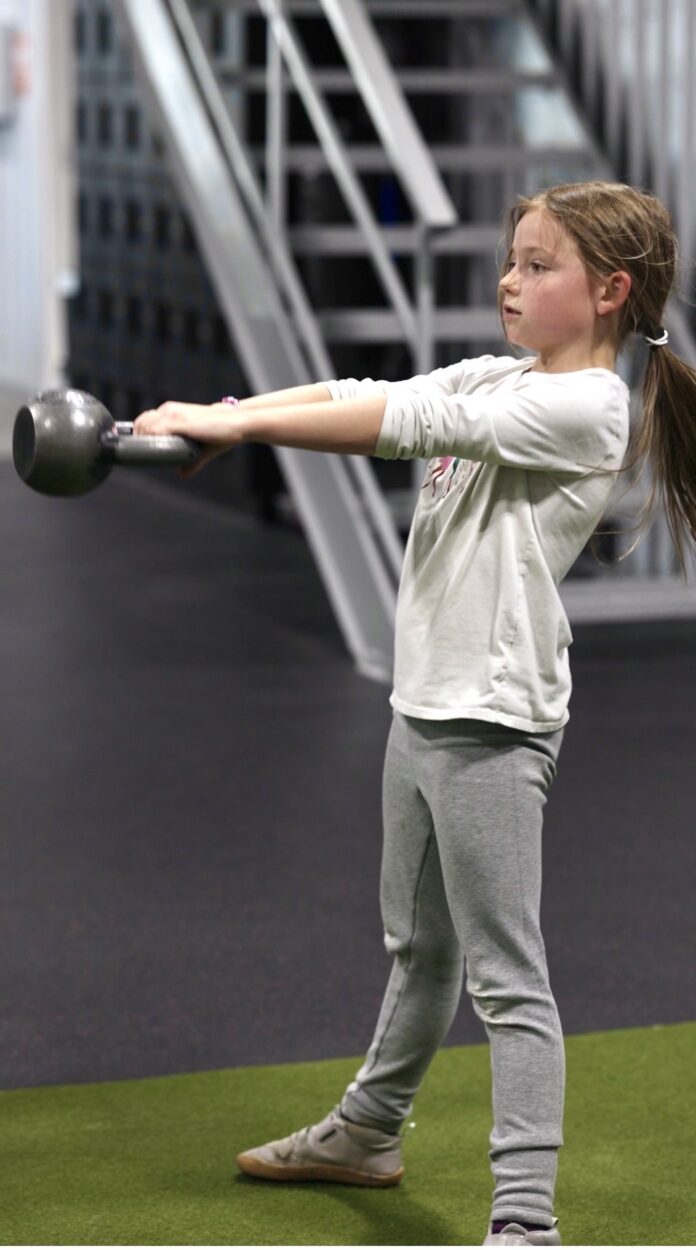
Good coaching removes that risk. A qualified coach teaches proper form before any significant load is added. They scale the training to meet the child where they are, watch for early signs of fatigue or discomfort, and adjust accordingly. They also make training feel like something worth coming back to, which is the part that actually builds the habit.
At Functional Idaho, we approach youth training the same way we approach everything else: with intention, structure, and an eye on the long game. The goal is never to push a child as hard as possible. The goal is to help them build something they can maintain.
Signs Your Child Is Ready to Start Lifting Weights
Physical age matters less than a few other things. Here is a simple checklist to help you think it through:
- Can your child follow multi-step instructions without losing focus?
- Do they show genuine interest in training, not just pressure from a coach or parent?
- Are they able to control their body through basic movements like a squat or a push-up?
- Can they communicate when something hurts or does not feel right?
- Do they respond well to corrections without shutting down or getting frustrated?
If you can say yes to most of those, your child is likely ready to jump right into class. If a few of those are still developing, that is not a reason to wait. A good coach knows how to meet a child exactly where they are. Your child will still do the same class, just with movements modified to match their current ability. There is no wrong starting point, only the right adjustments for where your child is today.
Frequently Asked Questions About Kids and Weight Training
Does weightlifting stunt growth in teenagers? No. There is no scientific evidence that properly supervised resistance training damages growth plates or reduces height. The stunted growth myth has been studied and consistently found to be unsupported.
What weights are safe for a 12-year-old? Light resistance, such as bands, light dumbbells, or bodyweight, is appropriate for most 12-year-olds who have been taught proper technique. Load should only increase as form improves, and all training should be supervised by a certified coach.
Is bodyweight training safer than weights for kids? Both can be safe when done correctly. Bodyweight training is a great starting point because it teaches movement patterns without external load. Once those patterns are solid, adding light resistance is a natural next step.
How many days a week should a child strength train? 2-4 days per week is a reasonable starting point for most children, with adequate rest between sessions. Recovery matters just as much as training, especially for growing bodies.
Your Child Deserves to Be Strong, Safely
Do not let fear determine the outcome of your child’s health. The stunted growth myth has been repeated for so long that it feels true, but the research simply does not support it.
But protecting your child does not mean keeping them away from strength training. It means finding the right environment, the right supervision, and the right approach. When those pieces are in place, resistance training becomes one of the most valuable things you can give a young person.
It builds bone density, reduces injury risk, improves mental health and confidence, and creates a relationship with movement that can carry them through their entire life.
Our Youth Program at Functional Idaho
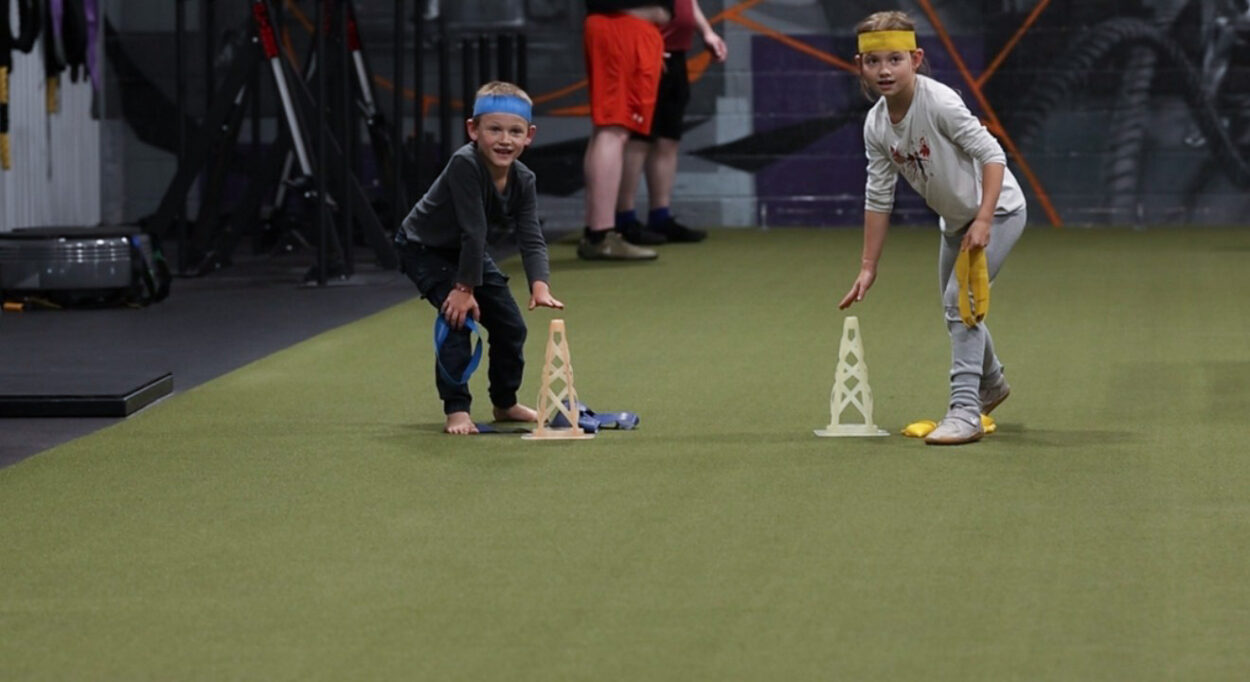
Strength and conditioning for kids is not just about making them little athletes. It is about helping them feel sturdy and confident in their own bodies, which matters more than most people realize as they grow. Balance and coordination are built in too, giving kids a chance to trust their movements, stop tripping over their own feet, and learn to pivot, literally and figuratively.
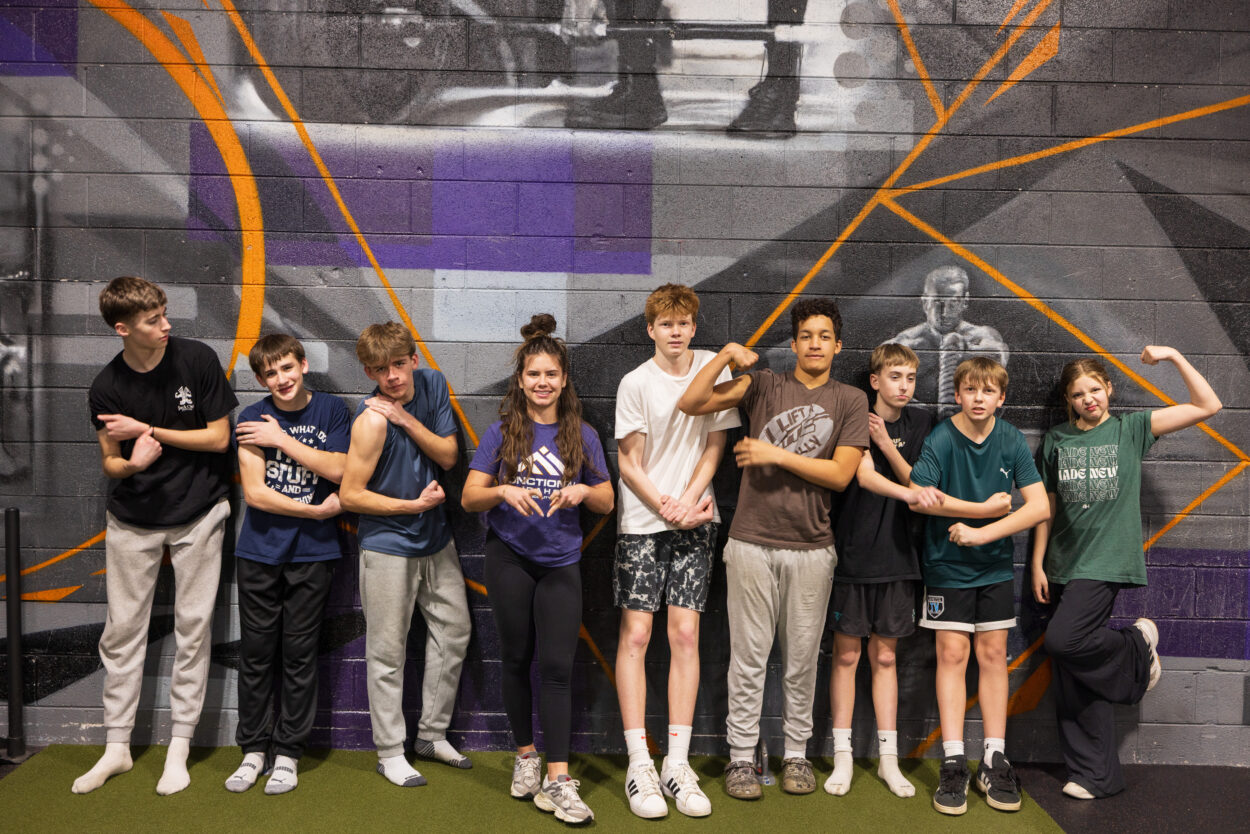
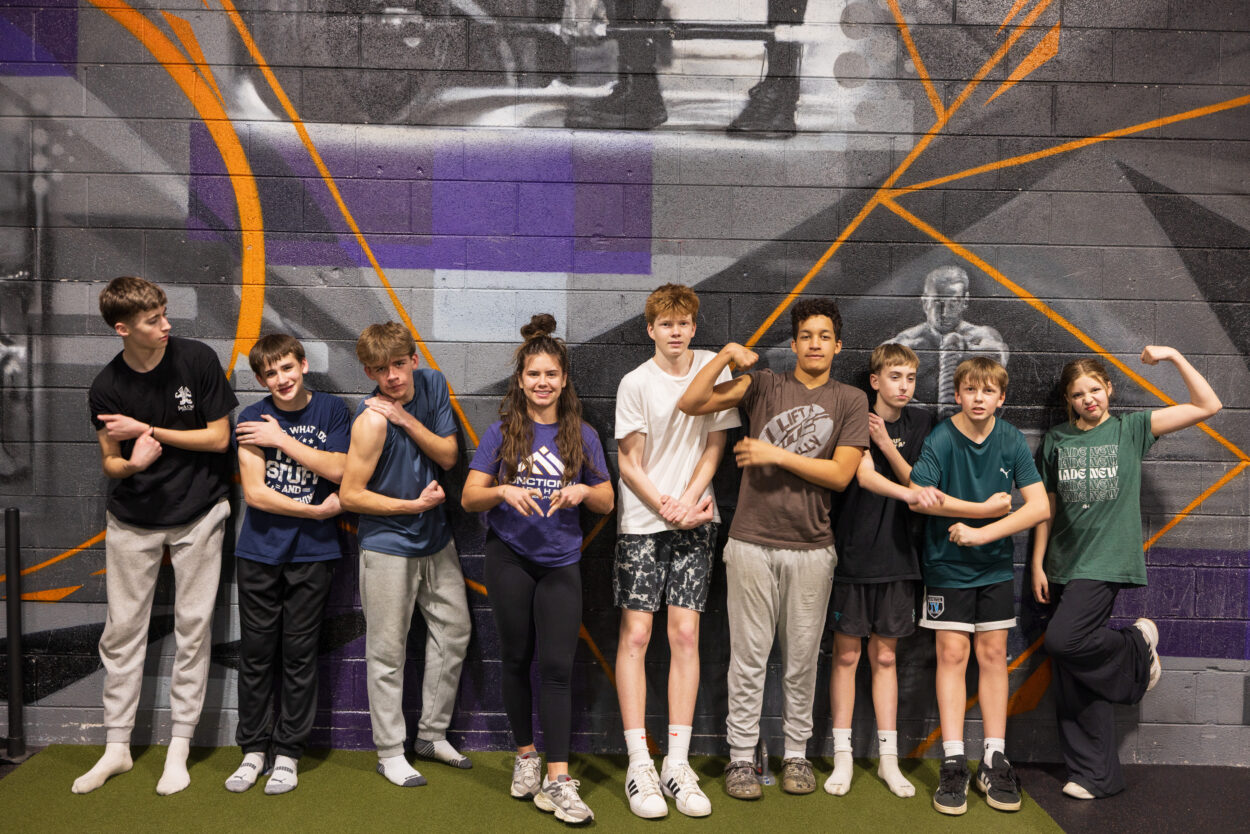
We work with kids ages 4 to 17 in one-hour classes led by coaches who genuinely care about what happens to these kids beyond the gym floor. We focus on strength, conditioning, coordination, and confidence, and we weave in leadership and character development along the way, because the kind of person your child is becoming matters just as much as how much they can lift.
This program is designed to help your child become the strongest, most confident version of themselves.
Ready to get them started? Come see it for yourself. Claim your free tour and consultation at Functional Idaho and let us show you what your child is capable of.
Sources
- https://www.aap.org/globalassets/publications/coya/strength_training_final_secured.1.0.pdf?srsltid=AfmBOoqXDej2zYH8QaiFBRqUOrwNTwsB9x0kmWobWbtf6pAdNVA2gswu
- https://www.mayoclinic.org/healthy-lifestyle/tween-and-teen-health/in-depth/strength-training/art-20047758
- https://pmc.ncbi.nlm.nih.gov/articles/PMC3445252/
- https://www.healthychildren.org/English/news/Pages/Guidance-on-Resistance-Training-for-Children.aspx
- https://pubmed.ncbi.nlm.nih.gov/31407540/